
This past week, we finally had a break in the weather so we could attend to our yard work. To occupy my mind while I mowed and weeded flower beds, I listened to a podcast regarding the success and failure of a mega church and its celebrity pastor. The podcast moved through the series like a documentary, postulating on what might have been the root causes for the failure of the church as they cited examples of similar character flaws among other leaders in both Christian and secular circles. While I found the lessons of what-not-to-do as a church leader important, it was the stories of the victims that I found most compelling. My heart broke as I listened to testimonies of the members who had become disillusioned by their experience and no longer trusted the church as a safe space. As they began to take apart what they had been taught, many left both church and faith behind.
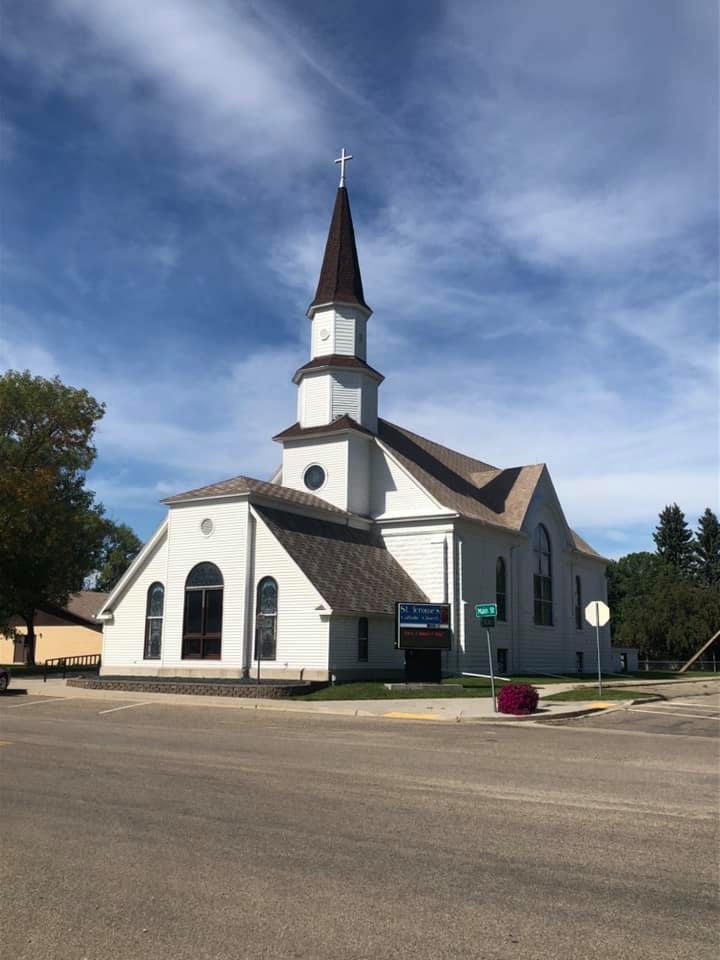
We live in a culture which idolizes big things: big egos, big businesses, big celebrities, and big churches. We look at strength and growth as our measure for success, but the increasing reports of failed celebrity pastors and their mega churches causes me to wonder if our paradigm for success is seriously flawed. Perhaps the answer to church growth is not found in big flashy churches which cater to the crowds, but in small congregations.
We may believe bigger is better, but Paul reminds us that “God’s foolishness is wiser than human wisdom, and God’s weakness is stronger than human strength” (1 Corinthians 1:25). As people continue to deconstruct their faith, perhaps it will be in small churches where they can begin to reconstruct their faith and find healing through the repetition of communal prayers, liturgy, confession, scripture read and proclaimed, and the sacraments.
In a culture of consumerism, strength and power are symbols of success. As we categorize our lives between religion and secular, we find our idols begin to seep into our churches. How often do we make decisions based on what works in the outside world? How often do we make decisions based upon statistics and numbers rather than on actual transformation? How often do we make decisions based upon fear of becoming small?
Christianity is a counter-cultural religion in which God shows us that strength and power lie in the weakness of the cross and in the suffering of the saints; and so I believe the Holy Spirit is moving within our small churches to preserve the Christian faith in North America. To be sure, small churches contribute their own brand of hurt to those seeking to know Christ. But on the whole, small congregations are composed of people who know and love each other, who work together for a common cause, and who are not afraid to question their pastor and leaders when something feels out of place.
Let us put aside our fears and embrace our small congregations as places where the traditions of the church along with the Gospel message are being preserved for future generations, as places of healing and reconstruction for those who have lost faith, and as places of holy success as lives are transformed into the image of Christ.
Grace and peace,
Parson Larson, 2023
References
Podcast: The Rise and Fall of Mars Hill by Christianity Today
 The Parson's Parlor