Kingdom People

While I am not surprised to see how divided our country has become, I am sad when I see Christians participate in the division.

Our political climate has become a war between two gods who demand total allegiance from their worshippers. Battle lines are drawn on every political front. No longer can people travel safely between positions for fear of being called a traitor. We are compelled to choose a side.

But there is a third option. As Christians, we are not called to be republicans or democrats, but to be Kingdom people who follow the commands of our king. We are to live as ambassadors in this land as we wait for our king to return.

As ambassadors, our role is to show the world a better way to live – a way that is rooted in King Jesus’ commands to love God and love our neighbors, including our enemies. We are to look for signs of the Kingdom and then participate in Christ’s redemptive work, which unites instead of divides. But instead, I see Christians staunchly supporting the political positions of their preferred party without any thought to how those positions may or may not further God’s Kingdom of love.

Unfortunately, division among Christians is nothing new. When asked if he was the devil, Jesus responded, “A house divided cannot stand.” Have Christians become their own devil by fighting against one another? Is it any wonder why people want nothing to do with the Church?

Let’s put aside our false gods and rally around our king! Let’s look for signs of love and unity which point toward the Kingdom of God. Let’s follow King Jesus’ command to love God and love our neighbors – all of our neighbors. Let’s participate in Christ’s work of reconciliation and redemption for the glory of God.

Let’s be Kingdom People.

Grace and Peace

Parson Larson 2025
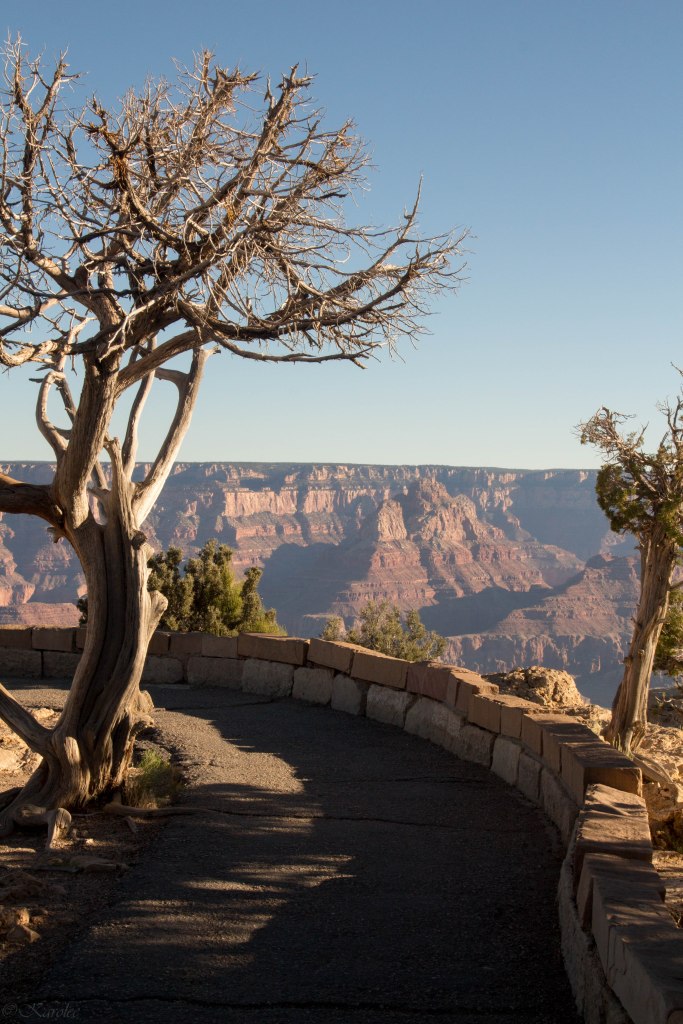
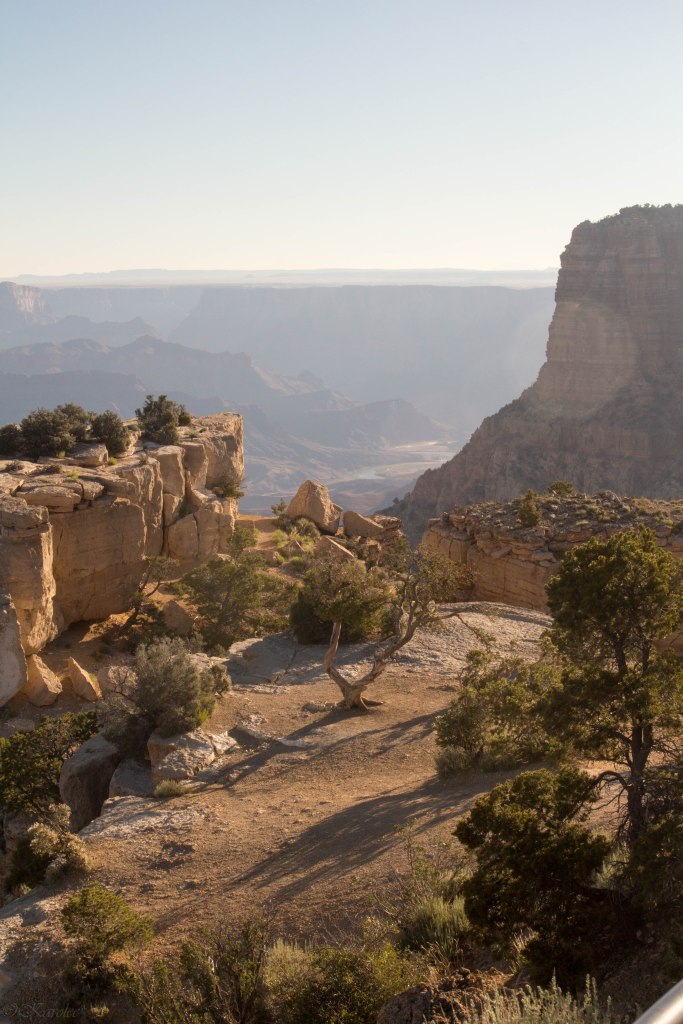
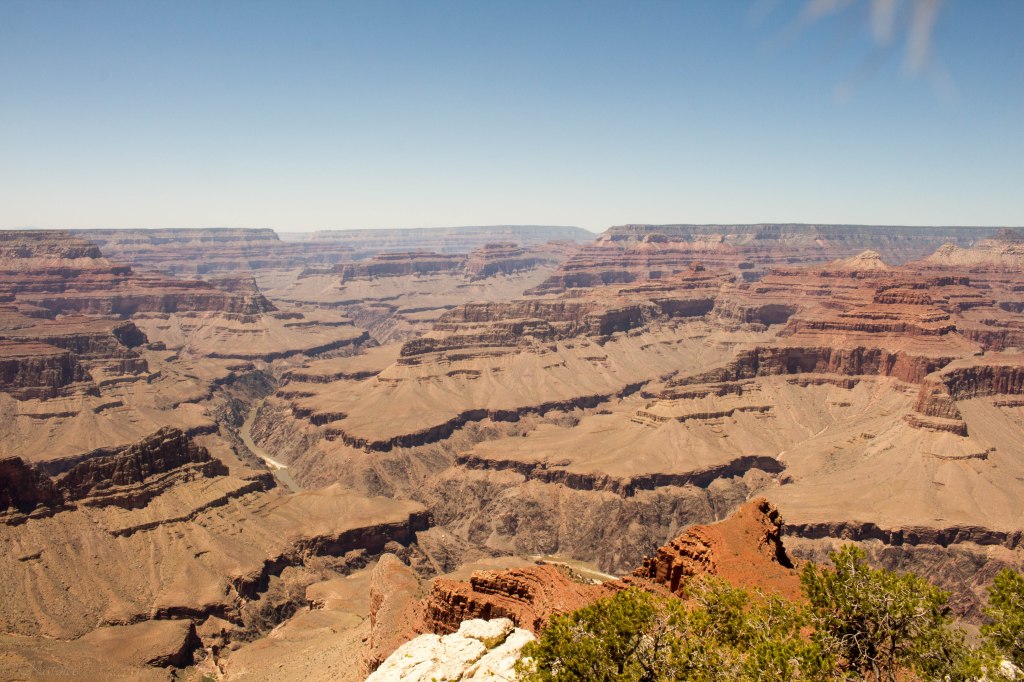
Grand Canyon – Grand Creation

I used to believe that people who did not subscribe to a literal six-day creation theory were at best misguided Christians, and at worst unbelievers. My tendency to read scripture literally led me to believe scientific explanations of how creation aligned with the first two chapters of Genesis. This creationist explanation made more sense to me than an evolutionary idea where a large explosion could produce an ordered creation.

What I failed to notice was that the same people who asked the evolutionists how they could be so certain in their defense of an evolutionary theory of creation were the same people who defended their creation theory with absolute certainty. While criticizing the evolutionists tendency to make theories sound like facts, creationists did not waver from their own notions of how God created the universe. A grand chasm was formed between intelligent people on both sides of an unwinnable argument.

The intention of the original author of Genesis never entered my mind prior to my seminary studies. The ancient readers cared less about how creation was formed and more about who formed creation. Genesis was written to defend the Creator God of the Israelite nation against the pagan gods of other tribes. In essence, they were saying, “Your god is lord over water? Oh, that’s cute. Our God created the sea out of the deep chaos and placed the untamable beasts which you fear in it.” The Genesis narrative teaches us who is responsible for creation and the psalmists teach us how to worship the God of creation. “O Lord, our Sovereign, how majestic is your name in all the earth!” (Psalm 8:1).

I no longer ascribe to any theory of how God created the heavens and the earth. How could any of us possibly know for certainty what happened? Instead, I look around and see the beauty of creation and am led to praise God. I am also led to care more about what happens to creation.

The tranquil beauty of the Grand Canyon gives me hope. The God of creation is also the God of redemption. All things will be made new (Revelation 21:5), and we are called to participate in this redeeming work while awaiting Christ’s return. With this understanding, I have learned to care a little more deeply about the earth and I try to make choices which reflect that care. I can’t do much on my own, but thankfully, God’s idea of participation is one which involves community. Small choices made by many people do make an impact.

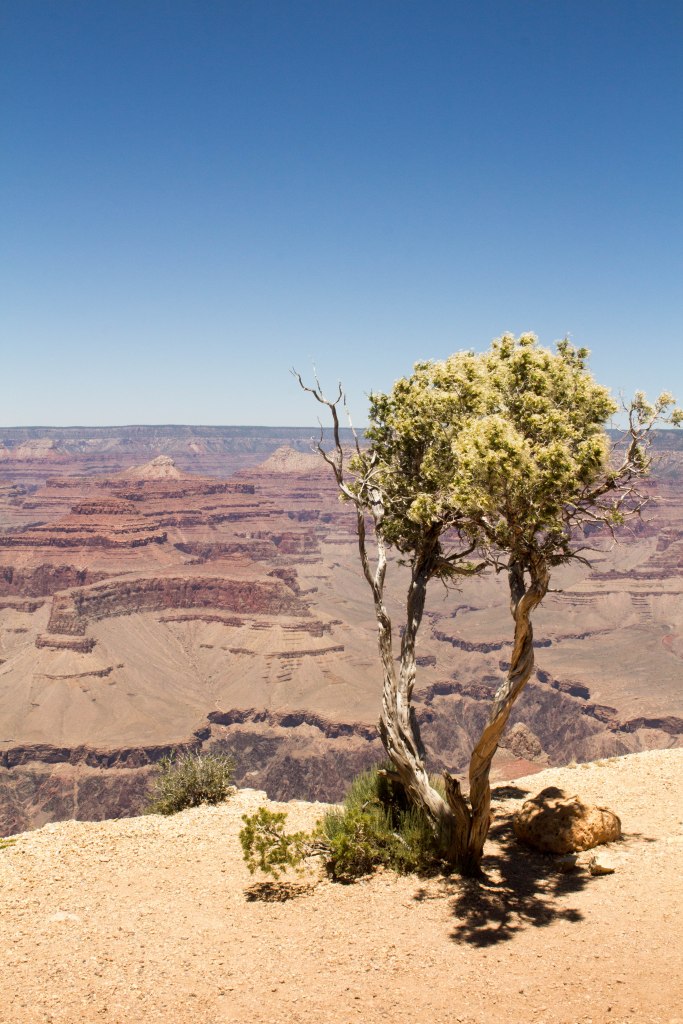
The Grand Canyon is definitely a place of wonder which inspires awe and worship of God, but creation is all around us. Do we see God’s hand in the places where we live? Do we notice the small wonders around us? Are we inspired to care more about the ecosystems which surround us?

Embracing the who of creation over the how of creation gives me hope. I no longer need to ascribe to a specific theory to justify my faith. I can simply believe that the God who freely creates such a beautiful place is also the God who freely bestows grace and redeems brokenness.

Grace and peace,

Parson Larson, 2023